A well-planned home tool kit helps you handle small repairs, furniture assembly, picture hanging, routine maintenance, and simple improvement projects without searching for supplies every time something needs attention. You do not need a large workshop or dozens of expensive tools to get started. A few dependable essentials can cover many of the tasks that come up around a home or apartment.
The right tool kit should match your space, experience, and the type of work you expect to complete. Start with practical basics, learn how to use them safely, and add more specialized tools only when your projects require them.
Start With a Reliable Claw Hammer
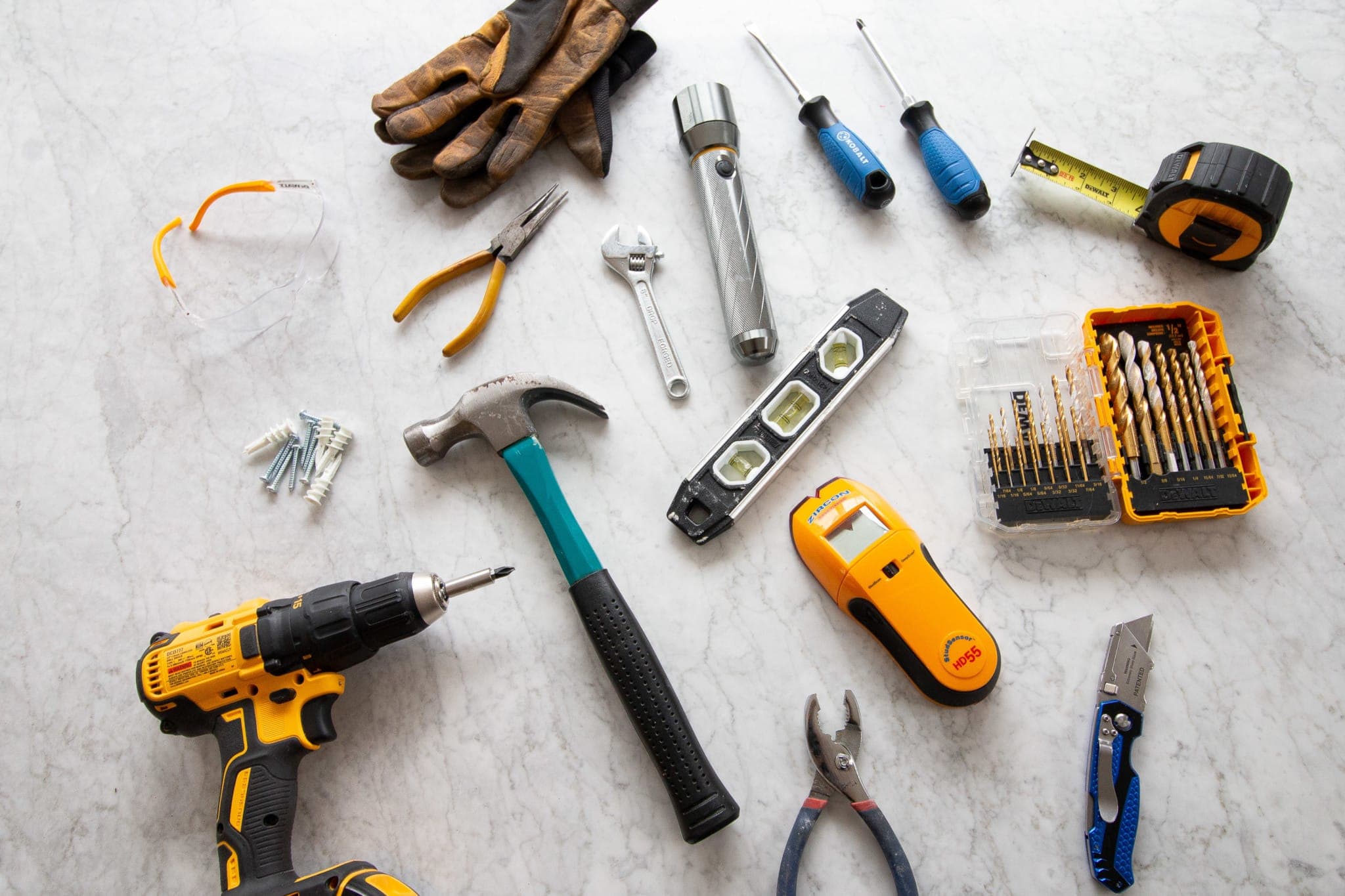
A claw hammer is one of the most useful tools in any home. It can drive nails, remove nails, make small adjustments, and help with basic assembly or repair work.
Choose a hammer that feels comfortable in your hand. A tool that is too heavy may be difficult to control, while one that is too light may require more effort. For most everyday household tasks, a medium-sized claw hammer provides a useful balance of strength and control.
Use it for hanging wall décor, repairing loose wooden pieces, assembling simple projects, and removing old fasteners. Always check what is behind a wall before driving in a nail, especially near electrical wiring or plumbing.
Keep More Than One Screwdriver
Many household products, fixtures, appliances, and pieces of furniture use either Phillips-head or flat-head screws. Your tool kit should include both types in at least a few common sizes.
A multi-bit screwdriver can save space because it allows you to switch between different tips. However, separate screwdrivers can offer better grip and control for frequently used sizes.
Small screwdrivers are useful for electronics, cabinet hardware, battery compartments, and delicate fixtures. Larger screwdrivers are better suited to furniture, door hardware, and general repair tasks.
Avoid using a screwdriver as a pry bar, chisel, or cutting tool. Using it for the wrong purpose can damage the tool, the surface, or your hands.
Add an Adjustable Wrench and Pliers
An adjustable wrench can handle different sizes of nuts and bolts, making it useful for furniture assembly, basic maintenance, and tightening loose hardware.
A pair of slip-joint pliers is helpful for gripping, bending, holding, and turning small objects. Needle-nose pliers are also useful when working in narrow spaces or handling small fasteners and wires.
These tools should be used carefully. Applying too much pressure can damage a fastener or scratch a finished surface. When working with decorative hardware, place a cloth between the tool and the surface for added protection.
Include a Tape Measure
Accurate measurements can prevent wasted materials, uneven placement, and unnecessary return trips. A basic retractable tape measure is useful for almost every home project.
Use it before buying furniture, shelving, storage containers, curtains, rugs, appliances, or building materials. Measure the available space more than once and record the height, width, and depth when needed.
For wall-mounted items, measure both the object and the wall. Consider nearby outlets, doors, windows, trim, and furniture before deciding on final placement.
Use a Level for Straight Results
A small level helps you hang frames, shelves, mirrors, curtain rods, and other items evenly. Visual estimates are often less accurate than they appear, particularly across wider surfaces.
A compact level is enough for many household tasks, while a longer level may be helpful for shelving, cabinets, and larger installations.
Check the level before fully tightening screws or drilling additional holes. Making adjustments early is much easier than correcting the project after installation.
Keep a Utility Knife for Controlled Cutting
A utility knife can open boxes, trim materials, cut packaging, score surfaces, and complete many small project tasks. Choose one with a secure blade-locking mechanism and a comfortable handle.
Always cut away from your body and keep your free hand clear of the blade’s path. Replace dull blades rather than applying additional pressure. A sharp blade generally provides more controlled cutting than a worn one.
Retract the blade immediately after use and store the knife where children cannot reach it.
Add a Small Selection of Fasteners
A tool kit becomes much more useful when it contains basic nails, screws, wall anchors, hooks, and other common fasteners.
Different materials require different fasteners. A nail that works in wood may not be suitable for drywall, masonry, tile, or metal. The weight of the item also matters when choosing a hook or anchor.
Avoid relying on one general fastener for every project. Check the wall material, product instructions, and expected weight before installation.
A small organizer with labeled compartments can keep nails, screws, anchors, and hooks easy to find.
Include a Flashlight or Work Light
Good visibility is important when working beneath sinks, behind appliances, inside cabinets, in closets, or during a power interruption.
A compact flashlight is useful for quick inspections, while a hands-free work light or headlamp can make repairs easier when both hands are needed.
Check the batteries occasionally and store replacements nearby. A light is only helpful when it is ready to work.
Keep Safety Equipment With Your Tools
Safety equipment should be part of the tool kit rather than something you search for after beginning a project.
Useful basics include:
- Safety glasses
- Work gloves
- Dust masks suitable for the task
- Hearing protection for loud equipment
- A small first-aid kit
The exact protection needed depends on the material, tool, and project. Read product instructions before starting and stop when a task requires training or professional experience beyond your comfort level.
Add a Cordless Drill When Your Projects Grow
A cordless drill is not essential for every beginner, but it becomes valuable when you regularly assemble furniture, install shelves, drill pilot holes, or work with multiple screws.
Select a drill that feels balanced and manageable. A basic set of drill bits and driver bits can support many everyday tasks.
Before drilling, confirm what may be behind the surface. Use the correct bit for wood, metal, masonry, tile, or other materials. Applying the wrong bit can damage both the tool and the project surface.
Store Everything in One Accessible Place
A tool kit works best when the tools are organized and easy to reach. Use a toolbox, tote, cabinet, wall system, or sturdy drawer.
Keep frequently used tools together and return them after every project. Store sharp tools with blades retracted or protected. Keep batteries charged according to the manufacturer’s instructions, and remove damaged tools from use.
An organized tool kit helps you see what you already own before purchasing more supplies.
Build Your Tool Kit One Project at a Time
There is no need to purchase every possible tool at once. Begin with the items that support the work you currently need to complete. As new projects arise, add the tools and supplies that genuinely improve your ability to finish them safely.
Before visiting the store, write down what you plan to repair or install. Bring measurements, photographs, product instructions, or an example of the fastener you need. This makes it easier to identify the right supplies.
KB Home & Hardware offers practical tools, fasteners, painting supplies, and everyday project essentials for customers across North Nashville. Stop by with your project list, ask questions, and build a useful home tool kit without filling your space with products you may never use.