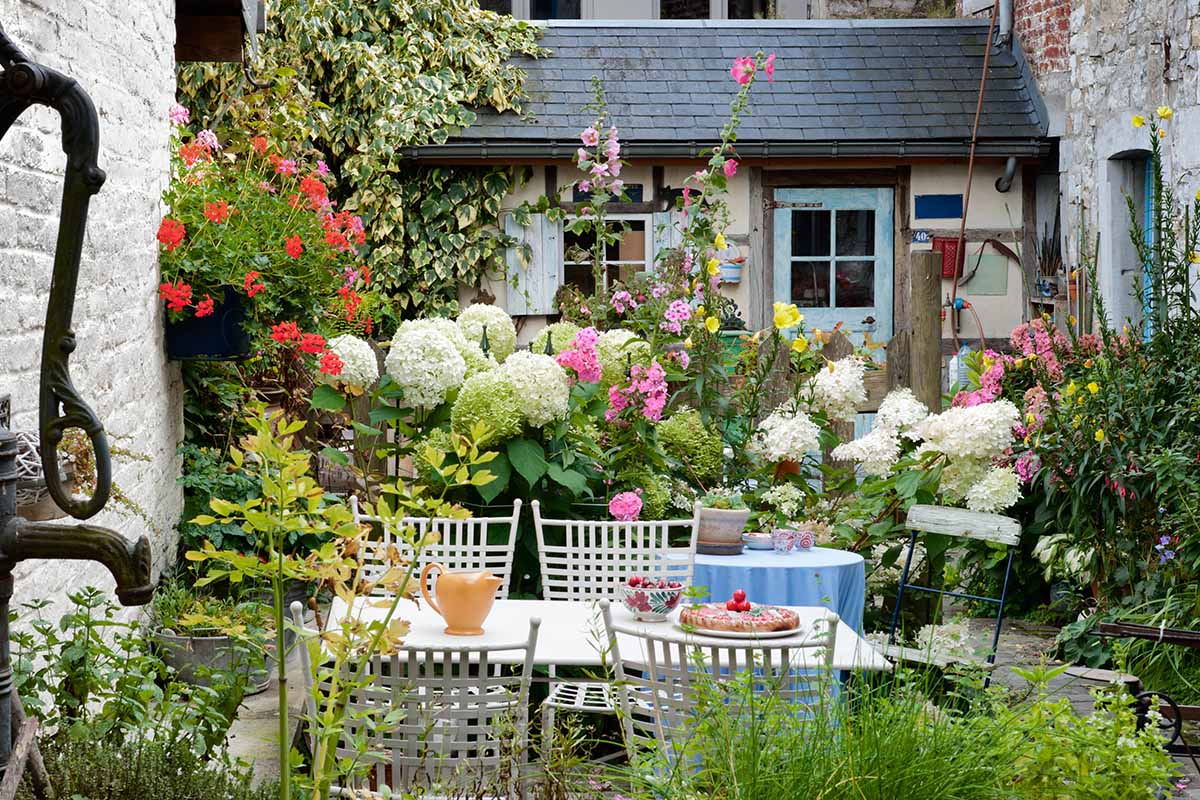
Starting a herb garden is a practical way to bring fresh ingredients and natural greenery into your home. You do not need a large backyard, expensive equipment, or years of gardening experience. Many popular herbs can grow successfully in containers, window boxes, raised beds, or small outdoor areas.
The most important steps are choosing herbs that suit your space, understanding how much sunlight is available, using suitable containers and soil, and developing a consistent care routine. Starting with a few manageable plants allows you to learn how they respond before expanding the garden.
Choose the Right Location
The location of your herb garden will strongly affect how well the plants grow. Before buying seeds, observe your available space throughout the day. A location that appears bright in the morning may become shaded by nearby buildings, trees, fences, or rooflines during the afternoon.
Many culinary herbs grow best with several hours of direct sunlight, although exact needs vary by plant. A balcony, patio, sunny windowsill, porch, raised bed, or small backyard area may all work when the light conditions are suitable.
Indoor gardens should be placed close to a bright window without exposing delicate plants to extreme heat against the glass. Outdoor containers should be positioned where they can receive enough light while remaining accessible for watering and regular care.
Avoid choosing a location only because it looks attractive. The best garden position is one that meets the plants’ needs and is convenient enough for you to check frequently.
Start With Herbs You Will Actually Use
A new gardener may be tempted to plant many varieties at once, but a smaller selection is easier to maintain. Begin with herbs that you regularly use in cooking or drinks so the garden becomes part of your everyday routine.
Basil is often selected for sauces, salads, and pasta dishes. Parsley can be used in a wide range of meals, while chives are useful for soups, eggs, potatoes, and garnishes. Mint can be added to drinks and desserts, and rosemary or thyme can work well with roasted foods and savory recipes.
Each herb has its own growth pattern. Some remain compact, while others become larger or spread quickly. Mint, for example, can expand aggressively when planted directly in an open bed. Keeping it in a separate container can make the plant easier to control.
Selecting fewer herbs at the beginning gives you more time to learn the watering, light, and harvesting needs of each variety.
Decide Between Seeds and Starter Plants
Seeds are an affordable way to begin and can provide access to many varieties. They also allow you to observe the complete growing process from germination to harvest.
However, seeds require consistent moisture, suitable temperatures, correct planting depth, and patience. Some herbs germinate quickly, while others may take longer or grow unevenly.
Starter plants provide a faster beginning because they already have established leaves and roots. They may be more suitable for customers who want to begin harvesting sooner or who are starting later in the growing season.
A combination can work well. You may choose established rosemary or thyme while growing basil, cilantro, dill, or parsley from seed. The best choice depends on your schedule, confidence, and how quickly you want the garden to become productive.
Read the Seed Packet Before Planting
Seed packets provide important instructions that should not be ignored. They usually explain planting depth, spacing, expected germination time, mature plant size, light requirements, and suggested growing periods.
Very small seeds are often planted close to the surface, while larger seeds may require deeper placement. Planting too deeply can prevent seedlings from reaching the light, while planting too shallowly may allow seeds to dry out or move during watering.
Spacing also matters. Crowded seedlings compete for moisture, light, and nutrients. Even when a container initially looks empty, the plants may require significant room as they mature.
Keep the packet after planting so you can review the variety name and care instructions later.
Use Containers With Proper Drainage
Herbs growing in containers need drainage holes so excess water can leave the soil. Without drainage, moisture can collect around the roots and create unhealthy growing conditions.
Choose containers that are large enough for the mature plants rather than selecting them only for appearance. Very small pots dry out quickly and may restrict root growth. Larger containers generally provide more stable moisture and give the plant additional room to develop.
Indoor containers should have trays or protective surfaces underneath them so water does not damage furniture, shelves, or windowsills. Outdoor pots should be positioned so their drainage holes are not blocked.
When multiple herbs are planted together, make sure they have similar light and watering needs. Plants that prefer drier soil may not grow well beside herbs that require more frequent moisture.
Use a Suitable Growing Mix
Soil taken directly from the yard can become compacted inside a pot and may not provide enough drainage or airflow. A potting mix intended for container gardening is generally better suited to small indoor or outdoor herb gardens.
Fill the container without pressing the mix down too firmly. Roots need space for air and moisture to move through the soil. Leave a small amount of space near the top so water can soak in without immediately spilling over the edge.
Different herbs may prefer slightly different growing conditions. Read the seed packet or plant label and avoid treating every herb in exactly the same way.
Plant Carefully and Avoid Overcrowding
Place seeds at the recommended depth and cover them gently. Water with low pressure so the seeds are not washed out of position or pushed too deeply into the soil.
It is common to plant several seeds in one area because not every seed will germinate. Once the seedlings begin to grow, they may need to be thinned so the strongest plants have enough room.
Overcrowded herbs can become weak, stretched, and more difficult to maintain. Reduced airflow may also create conditions where the leaves remain damp for longer periods.
If seedlings are growing very close together, remove the weaker ones carefully. In some situations, trimming them at soil level may disturb the remaining roots less than pulling them out.
Create a Consistent Watering Routine
Water is essential, but too much can be as harmful as too little. Newly planted seeds need consistent moisture to germinate, yet the growing mix should not remain heavily saturated.
Use a gentle spray or watering can during the early stages. Strong water flow can move seeds, damage young seedlings, and create uneven soil.
As the plants become established, check the soil before watering. Insert a finger slightly below the surface to see whether the mix is still damp. Container size, temperature, sunlight, wind, and plant type will all affect how quickly the soil dries.
Avoid relying only on a fixed schedule. One pot may need water sooner than another, even when the containers are placed in the same area.
Wilting does not always mean a plant needs more water. Roots affected by overly wet soil can also produce weak or drooping growth. Check the soil condition before making changes.
Make Sure the Herbs Receive Enough Light
Herbs that do not receive enough light may become thin, pale, and stretched. Their stems may lean strongly toward the nearest window or light source.
Place the plants in the brightest suitable area available and rotate indoor containers periodically so the growth remains balanced. Outdoor plants may need to be moved as the season changes and the amount of shade increases or decreases.
When natural light is limited, some gardeners use suitable grow lights. Any electrical lighting should be installed and operated according to the manufacturer’s safety instructions, particularly around water and damp growing areas.
Label the Containers
Young herb seedlings can look very similar. Simple labels help you remember what was planted, the variety, and the date.
This information becomes useful when comparing germination times, planning harvests, and identifying which plants perform best in your space. Labels are especially important when several varieties of the same herb are being grown.
You can use reusable plant labels, marked containers, wooden sticks, or another material suitable for the growing environment.
Observe the Plants Regularly
A small herb garden should be checked frequently. Regular observation allows you to notice problems before they become severe.
Pay attention to yellow leaves, dry edges, weak growth, insects, spots, wilting, and soil that remains wet for long periods. Also look at the stems and new growth rather than checking only the oldest leaves.
A symptom may have several possible causes. Yellowing can result from excess water, insufficient nutrients, poor drainage, or natural aging. Weak growth may be related to limited light, overcrowding, or unsuitable temperatures.
Consider the complete growing environment before making major changes. Adjust one factor at a time so you can see how the plant responds.
Harvest Herbs Carefully
Once the herbs are established, regular harvesting can encourage fresh growth and keep the plants useful. Use clean scissors or small pruners rather than tearing leaves and stems.
Avoid removing too much growth at one time, especially from younger plants. The remaining leaves are needed for continued growth. Harvest only what the plant can support and follow the recommended method for that variety.
Some herbs should be cut just above a growth point so they become fuller, while others may be harvested differently. Review the plant information before cutting.
Harvesting in small amounts also helps you use the herbs while they are fresh and prevents unnecessary waste.
Adjust the Garden as Conditions Change
Growing conditions can change throughout the season. Outdoor temperatures, rainfall, sunlight, wind, and humidity may affect how quickly containers dry and how actively the plants grow.
Move containers when they need more suitable light or protection from extreme conditions. Indoor plants may also need a different position as the direction and intensity of sunlight changes.
Some herbs grow for one season, while others may continue for a longer period when properly maintained. Learn the expected life cycle of each plant so you understand whether changes are normal or signs of a problem.
Begin With a Manageable Garden
A small herb garden should be enjoyable rather than overwhelming. Starting with two or three herbs allows you to understand your space and establish a care routine before adding more.
Not every seed will germinate, and not every plant will respond perfectly. Gardening involves observation and adjustment. Each season teaches you more about light, water, containers, soil, and the varieties that grow well in your home.
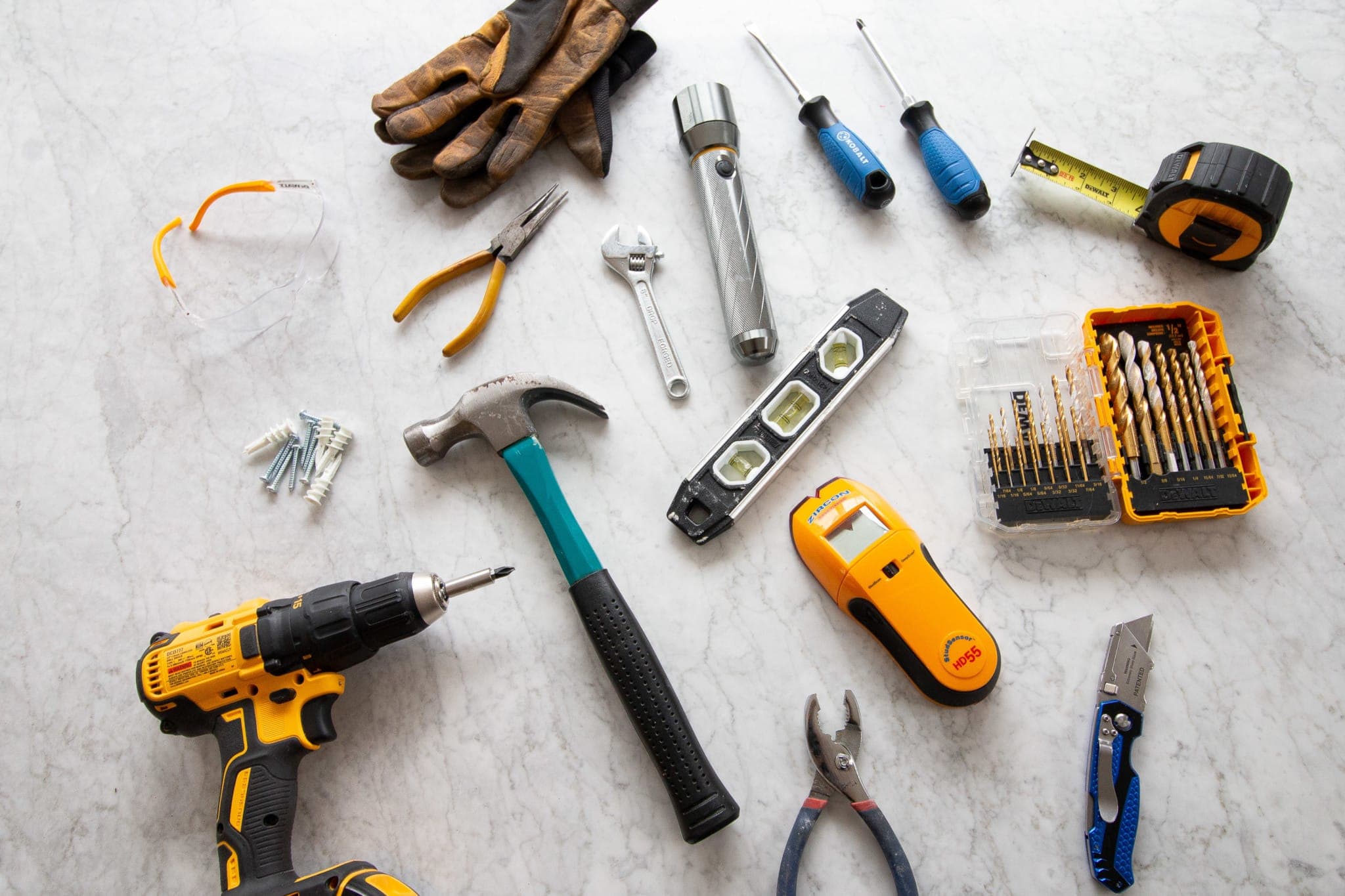
KB Home & Hardware carries a changing selection of herb, vegetable, and flower seeds, along with planters, garden gloves, hand tools, and seasonal growing supplies. Visit the North Nashville shop to explore what is currently available and choose practical products for a garden that fits your home and available space.